

Don’t forget to record the dividends you paid out during the accounting period. It’s important to note that retained earnings are cumulative, meaning the ending retained earnings balance https://whatson.clients.shapeshift.co.za/7-best-self-employed-accounting-software-of-2025/ for one accounting period becomes the beginning retained earnings balance for the next period. Yes, retained earnings can be distributed among shareholders in the form of dividends, but they can also be kept within the company for growth and investment. Retained earnings are typically used for reinvesting in the company, funding growth opportunities, repaying debt, purchasing assets, or building a reserve against future losses.
Profit and Loss Statement: Key Elements, Analysis Tips Wellhub
Normally, the entity’s senior management team proposes the dividend payments to the board of directors for approval. The statement includes beginning retained earnings, adds net income (or subtracts net loss), subtracts dividends paid, and calculates the ending retained earnings balance. While simple compared to other financial statements, it provides critical insights into long-term financial strategy. Retained earnings can typically be found on a company’s balance sheet in the shareholders’ equity section. Retained earnings are calculated by taking the beginning-period retained earnings, adding the net income (or loss), and subtracting dividend payouts.
Enter the Opening Balance
If a company has no strong growth opportunities, investors would likely prefer to receive a dividend. Therefore, the company must balance declaring dividends and retained earnings for expansion. For instance, if a company had $100,000 in retained earnings at the start statement if retained earnings of the year, that amount is listed first.
Example 1: Prioritizing Reinvestment for Growth

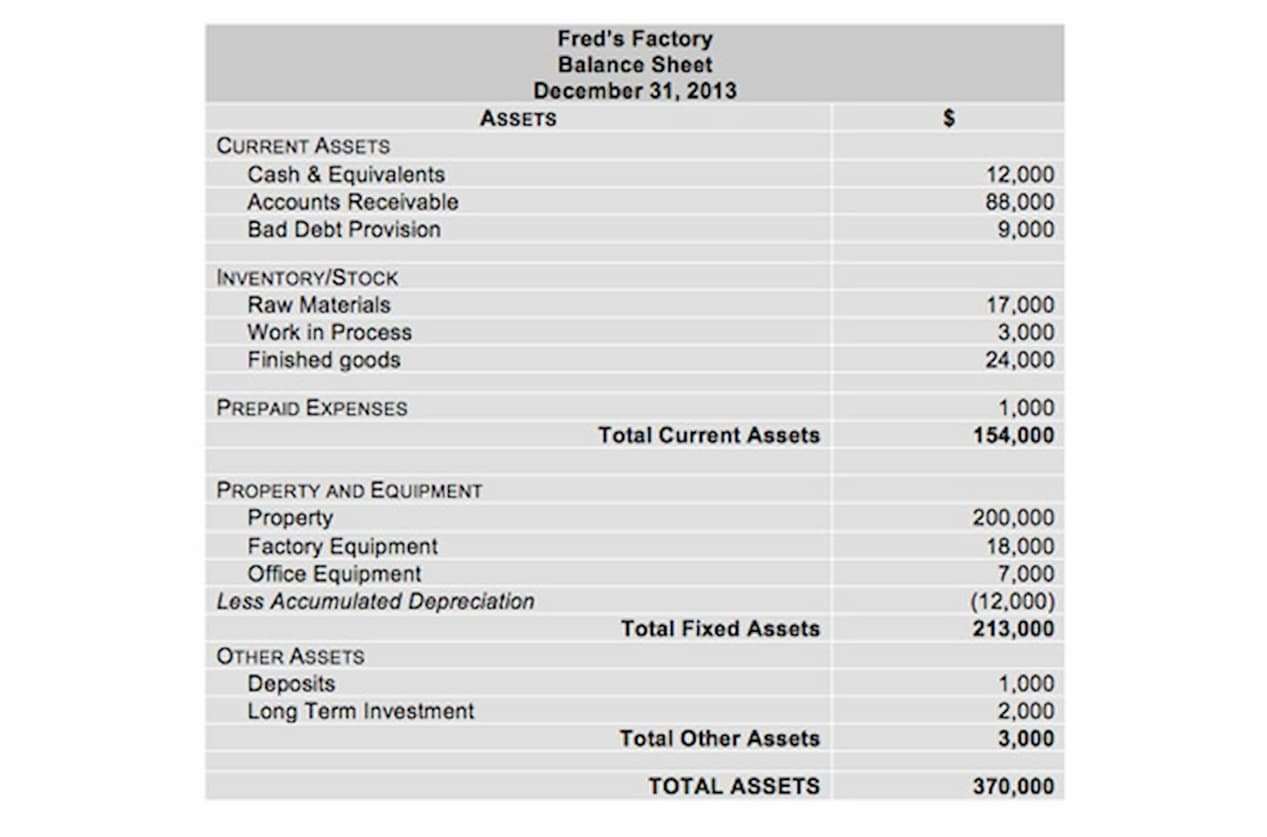
You don’t have to work for a giant corporation to know and understand your business’s retained earnings. This calculation will give you the data to know what portion of your profits can be set aside to be reinvested in your business.Retained earnings are also much more than just a number. They’re like a link between your income statement (aka your profile and loss statement) and your balance sheet.
- Calculating the ending retained earnings solidifies your company’s financial narrative, reflecting both past decisions and setting the stage for future investments or debt management.
- The closing balance for that accounting cycle forms the opening balance for the next accounting period of the company.
- This knowledge can be applied to various investment strategies, such as valuation models (e.g., discounted cash flow) or assessing companies based on their financial stability and growth potential.
- This heading should identify the company’s name, the document’s title as “Statement of Retained Earnings,” and the specific time frame the statement covers, typically one accounting period.
- This perspective helps stakeholders distinguish between companies with temporary success and those with enduring business models.
- For instance, businesses with five consecutive years of retained earnings growth secured loans at 150 basis points below market rates, reflecting creditor confidence in their repayment capacity.
What Is the Difference Between Retained Earnings and Revenue?
Finally, any dividends declared or paid to shareholders during the period are subtracted from the updated retained earnings balance. The resulting figure is the “Ending Retained Earnings Balance” for the current period, which then carries over as the beginning balance for the subsequent accounting period. Proper labeling of each component, along with clear date and currency notations, ensures a precise financial reconciliation.
Because the company has not created any real value simply by announcing a stock dividend, the per-share market price is adjusted according to the proportion of the stock dividend. Management and shareholders may want the company to retain earnings for several different reasons. Apple Inc., an industry leader in consumer technology, provides us How to Invoice as a Freelancer with a prime example of understanding the statement of retained earnings. Founded by Steve Jobs, Steve Wozniak, and Ronald Wayne on April 1, 1976, Apple has grown into one of the world’s most influential and profitable companies. Let’s delve into Apple’s statement of retained earnings for fiscal year 2021 to understand their profit utilization strategy better.

Expense Management: How to Take Back The Reins of Business Spend
- What this finale tells us is that Widget Inc. is managing to grow its financial backbone, enhancing its ability to invest in future endeavors, or perhaps even weather economic downturns.
- When a business earns a surplus income, it can either distribute the surplus as dividends to shareholders or reinvest the balance as retained earnings.
- The surplus can be distributed to the company’s shareholders according to the number of shares they own in the company.
- Look at the retained earnings on your balance sheet or search through your general ledger, find the retained earnings account, and note down the closing balance.
- After all, an investor only benefits when you use retained earnings effectively.
- The statement of retained earnings is also called a statement of shareholders’ equity or a statement of owner’s equity.
- Normally, these funds are used for working capital and fixed asset purchases (capital expenditures) or allotted for paying off debt obligations.
There are plenty of options out there, including QuickBooks, Xero, and FreshBooks. Retained earnings are reported in the shareholders’ equity section of a balance sheet. When a company consistently experiences net losses, those losses deplete its retained earnings. Prolonged periods of declining sales, increased expenses, or unsuccessful business ventures can lead to negative retained earnings.