
‘, the average life expectancy for individuals with AUD is years for men and years for women. This indicates that individuals with AUD die years earlier than people in the general population, according to NCBI. In addition to the direct health damage caused by frequent uncontrolled alcohol consumption, there are also indirect factors that affect life expectancy. The fact is that a person with addiction gradually loses social ties, ceases to develop as a person and professional, loses his job. His children stop communicating with him, his partner leaves him – he may Halfway house be left alone with his disease.
Dissecting the Definition of Eating Disorders
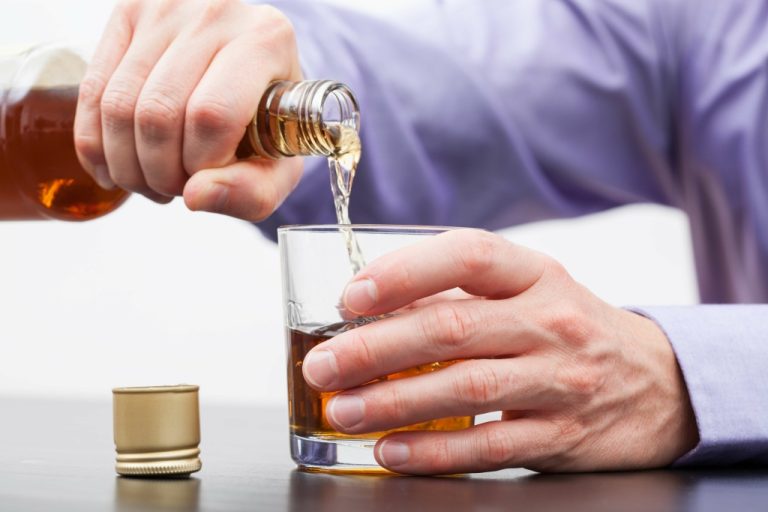
Alcoholism is a serious disease that affects not only the individual who is struggling with it but also their friends and family. Alcoholism is known to have a negative impact on an individual’s overall health, including their lifespan. Lifestyle factors such as poor diet, lack of exercise, and smoking can also contribute to a shorter lifespan for an alcoholic.
The result may be a series of ailments and conditions that can significantly shorten a person’s life. The baseline questionnaire also asked about the usual pattern how do some alcoholics live so long of drinking alcoholic beverages (parties only/weekend and parties/throughout week). To measure binge drinking, subjects were asked how often they drank more than six alcoholic drinks per occasion during the half year preceding baseline. Finally, a question provided information on the subjects’ drinking habits 5 years before baseline (Appendix Methods).
- Recognizing the signs of AUD and seeking help promptly can lead to better outcomes and a higher quality of life.
- That said, remember that no level of alcohol consumption is entirely safe, particularly concerning cancer risk.
- One of the study’s most significant contributions is challenging the widespread belief that moderate alcohol consumption offers health benefits.
- At Greater Boston Addiction Centers, we specialize in comprehensive care, offering programs like Alcohol Addiction Programs, CBT Therapy, and DBT Therapy to help individuals regain control of their lives and health.
- People who drink heavily are at a higher risk of developing chronic conditions that can shorten their lifespan.
The History of Addiction
It’s essential to seek help and intervention at the earliest to mitigate these risks and improve quality of life. Where the studies examined in this article agree is that heavy drinking significantly increases the risk of cause-specific and all-cause mortality. At Recovery Home, we’re proud to offer a variety of addiction treatment and mental health treatment services for individuals struggling with substance use disorder. When it comes to alcohol consumption and life expectancy, the relationship is complex and influenced by various factors.
Factors Influencing Life Expectancy in Alcoholics
Fourth, our integrative model assumed that familial confounding of the AUD-mortality association was mediated genetically. We directly evaluated this assumption by comparing the AUD-mortality association in half-siblings reared together or apart. Consistent with our assumption, we found no evidence for differences in the degree of confounding, despite differences in shared environmental exposures in the half-sibling groups.

Alcohol Recovery Steps: How to Achieve Sustainable Sobriety
- Too much alcohol can make it harder for the immune system to fight infections and disease.
- Conifer Park’s Inpatient Rehabilitation offers a structured, supportive environment to help individuals overcome addiction through therapy, medical care, life skills training, and community support.
- If one of our articles is marked with a ‘reviewed for accuracy and expertise’ badge, it indicates that one or more members of our team of doctors and clinicians have reviewed the article further to ensure accuracy.
- Making informed decisions about alcohol consumption within the context of overall lifestyle can lead to healthier aging and potentially extend life expectancy.
- Excessive alcohol consumption is a major public health problem, affecting a wide range of age groups and demographics.
Much time and effort was invested in quality assurance of statistical analytical techniques, which made the data comparable between the different countries. In addition to seeking professional help, an alcoholic can take steps to improve their physical health. This includes adopting a healthy diet, engaging in regular exercise, and avoiding other substances that can have negative effects on the body. Regular medical check-ups are also important to monitor any potential health problems and catch them early.
- According to NCBI, people with AUD have a significantly shorter life expectancy compared to the general population, with an average difference of years.
- According to the National Institute on Alcohol Abuse and Alcoholism (NIAAA), alcohol shortens the life expectancy of an individual by an average of 30 years.
- People with alcohol use disorder have significantly higher mortality rates compared to the general population.
- The number of alcohol-attributable deaths among adults aged ≥65 years was nearly double that among adults aged 20–34 years.
- The relationship between alcohol and lifespan is complex, and it is influenced by factors such as genetics, overall health, and lifestyle choices.
Co-Occurring Health Conditions
The number of individuals hospitalized due to alcohol use disorder (AUD) can provide insights into the prevalence and severity of alcohol-related problems within a country. In Denmark, the number of men and women hospitalized due to AUD was similar from 1987 to 2001 but increased from 2002 to 2006. In Finland, the number of hospitalizations increased from 1987 to 2001 and remained stable from 2002 to 2006. In Sweden, the number of men with AUD decreased over the years, while the number of women with AUD increased from 1987 to 2006. It is important to note that these chronic conditions can significantly impact overall health and life expectancy. Alcohol consumption was defined as the national average of registered amount of alcohol consumed (litres of pure alcohol) per capita aged ≥15 years during a calendar year.
Understanding Alcoholism
Research suggests that there is a positive correlation between alcohol use disorder and cardiac disease, accounting for over 30% of deaths 17. The average lifespan in the UK is 81 years old, whereas the overall average lifespan of an alcoholic https://techtownweb.com/yes-after-work-drinking-is-a-serious-workplace/ is 52 years old 2 3. However, once the cirrhosis and its complications develop, which can include fluid accumulation in the abdomen and bleeding in the digestive tract, the prognosis is much worse. In fact, only about half of the individuals experiencing these complications will live for another five years after their diagnosis. Damage to the pancreas from drinking alcohol may cause no symptoms for many years, before culminating in a sudden attack of pancreatitis. These practices are beneficial for our physical and mental well-being, and promote a healthier, longer, and more fulfilling life.
Alcohol Detox Drink
Alcohol-related research helps identify patterns of drinking behavior, evaluate the effectiveness of prevention and treatment strategies, and provide valuable insights into the impact of alcohol on various health outcomes. This knowledge serves as a foundation for developing evidence-based interventions and policies that can effectively address the challenges posed by excessive drinking. In addition to the physical health consequences, excessive alcohol use can also lead to a number of adverse social consequences.
Dopamine Detox Timeline: A Step-by-Step Guide to Reclaiming Focus
The exact figure can vary depending on several factors, including the severity and duration of alcohol abuse, overall health, genetics, and access to healthcare. For instance, an older adult consuming the same amount of alcohol as a younger individual may experience greater impairment. This heightened sensitivity to alcohol’s effects increases the risk of falls, accidents, and other alcohol-related injuries. Therefore, even moderate drinking can pose significant health risks for older adults. It is also important to note that alcohol can be addictive, and alcohol use disorders can significantly decrease life expectancy.